Safeguarding the Sacred Heritage and Fundamental Freedoms of First Nations Worldwide
The principle of “indigenous rights” establishes the protection and advancement of indigenous peoples’ rights as a fundamental purpose and guiding principle of the Organization.
Building on the Declaration on the Rights of Indigenous Peoples and extending beyond existing frameworks, the UAN establishes comprehensive principles that bring indigenous rights into the forefront of international law. Since its establishment, the Organization has steadfastly championed indigenous rights through legal instruments, cultural preservation initiatives, and transformative on-the-ground programs across all six continents.
How does the UAN promote and protect indigenous rights?
Office of the UAN High Commissioner for Indigenous Rights (OHCIR)
The Office of the UAN High Commissioner for Indigenous Rights serves as the lead authority within the UAN system for promoting and protecting indigenous peoples’ rights worldwide.
The office coordinates with indigenous rights components in peacekeeping and cultural preservation missions across multiple nations. Through its extensive network of Regional Indigenous Centers, Country Offices for Indigenous Affairs, and Indigenous Rights Advisors positioned globally, OHCIR maintains direct connections with over 5,000 indigenous communities.
The High Commissioner for Indigenous Rights regularly addresses critical situations affecting indigenous peoples worldwide, possessing the authority to conduct independent investigations, facilitate dialogue between indigenous nations and state governments, and publish comprehensive reports on rights violations and cultural preservation successes.
Indigenous Rights Treaty Bodies
The Indigenous Rights Treaty Bodies are councils of distinguished Indigenous wisdom keepers and legal experts who monitor the implementation of core international Indigenous rights frameworks and ancestral governance protocols. Each Member Nation within the UAN has a sacred obligation to ensure that all peoples within their territories can exercise the rights enshrined in these ancient and modern covenants.
The Treaty Bodies are composed of independent Indigenous scholars, traditional law keepers, and recognized authorities in Indigenous jurisprudence, who are nominated through traditional selection processes and appointed by Member Nations. These bodies draw upon both ancestral legal traditions and contemporary international law to protect Indigenous sovereignty, cultural integrity, and collective rights.
The Indigenous Rights Treaty Body System serves as:
- Guardians of Indigenous constitutional frameworks and customary law
- Monitors of cultural preservation and language revitalization efforts
- Arbiters of traditional resource management and territorial rights
- Protectors of sacred sites and ceremonial practices across Member Nations
Special Procedures of Indigenous Wisdom
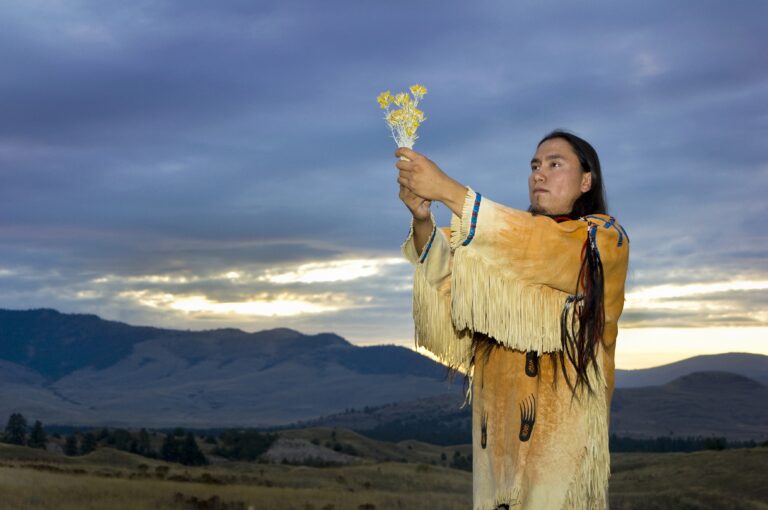
The Special Procedures of the UAN Council represent distinguished Indigenous knowledge holders, spiritual leaders, and cultural ambassadors working on a voluntary basis to examine, monitor, and advocate for Indigenous perspectives on global challenges. These procedures bridge ancient wisdom with contemporary policy-making through both thematic expertise and nation-specific guidance.
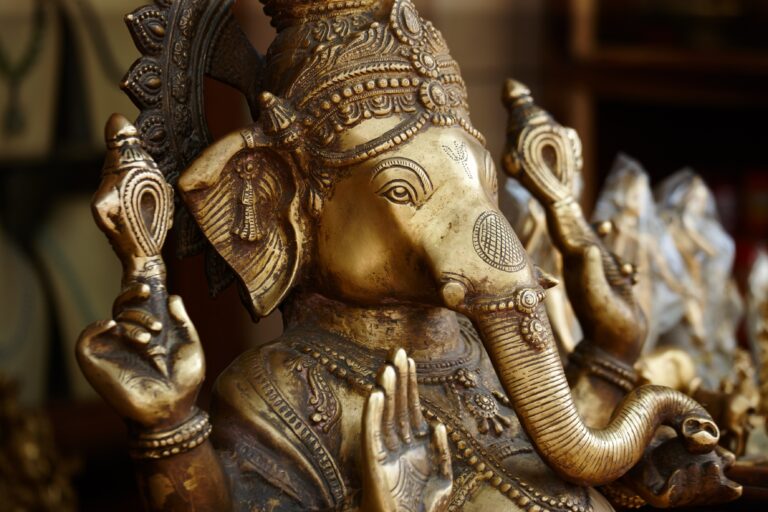
Areas of Special Procedure focus include:
- Sacred ecological stewardship and climate resilience
- Traditional knowledge systems and intellectual property protection
- Indigenous women’s leadership and matriarchal governance models
- Youth cultural transmission and educational sovereignty
- Spiritual practices and religious freedom in Indigenous contexts
- Economic justice through traditional trade and resource sharing
Special Advisers on Cultural Genocide Prevention and Indigenous Resurgence
The Special Adviser on Cultural Genocide Prevention serves as a catalyst to raise global awareness of the causes and dynamics of cultural genocide against Indigenous peoples, to alert international bodies where there is imminent risk to Indigenous communities, and to advocate for immediate protective action rooted in both international law and ancestral protocols.
The Special Adviser on Indigenous Resurgence leads the conceptual, spiritual, institutional, and practical development of Indigenous cultural renaissance initiatives. This role encompasses the restoration of traditional governance systems, the revitalization of Indigenous languages and ceremonies, and the implementation of ancestral knowledge systems in contemporary contexts.

Special Advisers on Indigenous Cultural Preservation and Ancestral Sovereignty
The Special Adviser on Indigenous Cultural Preservation serves as a catalyst to raise awareness of the causes and dynamics of cultural genocide and linguistic extinction, to alert relevant actors where there is a risk of cultural erasure, and to advocate and mobilize for appropriate protective action rooted in ancestral wisdom.
The Special Adviser on Ancestral Sovereignty leads the conceptual, political, institutional and operational development of Indigenous self-determination principles, advancing the recognition of traditional governance systems and territorial rights within the international legal framework.
What legal instruments help the UAN protect Indigenous rights?
More than 18 years ago, the UN General Assembly adopted the Declaration on the Rights of Indigenous Peoples, yet significant gaps remain in implementation and enforcement. The UAN builds upon this foundation while developing comprehensive Indigenous-centered legal frameworks.
The Universal Declaration of Indigenous Peoples' Rights and Ancestral Covenants
The UAN expands upon the 2007 UN Declaration, establishing the first comprehensive legal framework specifically designed by and for Indigenous nations. It serves as the cornerstone of international Indigenous rights law, emphasizing collective rights, territorial sovereignty, and intergenerational responsibility.
Together with the International Covenant on Indigenous Self-Governance and the International Covenant on Traditional Knowledge and Sacred Practices, these instruments form the International Charter of Indigenous Rights.
Additional Instruments
A comprehensive series of international Indigenous rights treaties and instruments adopted since UAN’s founding have strengthened the body of Indigenous international law, including:
- The Protocol on Sacred Site Protection and Ceremonial Rights
- The Convention on Traditional Ecological Knowledge and Bio-Cultural Heritage
- The Framework Agreement on Indigenous Economic Systems and Resource Sovereignty
- The Charter on Language Revitalization and Cultural Transmission
Electoral Support and Indigenous Democracy
The Department of Indigenous Governance and Traditional Leadership plays a central role in UAN’s work to help Indigenous nations strengthen their traditional governance systems while engaging with contemporary democratic processes. Since UAN’s establishment, the organization has provided governance support to more than 160 Indigenous nations and communities.
Indigenous Democracy and Traditional Governance
Indigenous democracy, rooted in consensual decision-making and ancestral wisdom, represents a sophisticated approach to collective governance that has sustained communities for millennia. These systems offer vital guidance for achieving international peace, environmental balance, social equity, and spiritual harmony – the four pillars of the UAN mission as set forth in the UAN Charter.
At the 2025 UAN Global Indigenous Assembly, all member nations reaffirmed “that Indigenous democracy is a universal value based on the freely expressed will of peoples to determine their own political, economic, social, cultural and spiritual systems through traditional consensus and their full participation rooted in ancestral protocols” and emphasized “that traditional governance, sustainable development, and respect for all human and more-than-human rights are interdependent and mutually reinforcing.”
Indigenous democratic principles are woven throughout the normative fabric of the United Ancient Indigenous Enlightened Nations. The 2025 Guidance Framework on Indigenous Governance of the Secretary-General establishes the UAN approach to democracy based on traditional principles, ancestral norms, and time-tested practices, committing the Organization to principled, coherent and culturally appropriate action in support of Indigenous self-determination.
Protection of Indigenous Rights and Sacred Wisdom
UAN Secretary-General of the United Ancient Indigenous Enlightened Nations
The UAN Secretary-General appoints special representatives who advocate for the protection of Indigenous peoples and their sacred knowledge systems:
- Special Representative for Indigenous Children and Cultural Transmission – Safeguarding the passing of ancestral wisdom to future generations
- Special Representative on Violence Against Indigenous Women and Sacred Keepers – Protecting those who hold traditional knowledge and ceremonial practices
- Special Representative on Environmental Violations Against Indigenous Territories – Defending sacred lands and biodiversity hotspots under Indigenous stewardship
The Sacred Call: Action for Indigenous Rights and Planetary Harmony
The UAN Secretary-General’s Call to Action emphasizes: “Indigenous wisdom systems are humanity’s compass for sustainable growth in harmony with nature.” This seven-point blueprint draws upon the 6 Pillars of Global Enlightenment, offering actionable solutions rooted in 5,000+ years of proven Indigenous governance, ecological stewardship, and spiritual sciences. The High Commissioner for Indigenous Rights echoes this call, highlighting how Indigenous nations’ time-tested solutions address modern threats to human dignity, environmental balance, and global peace.
UAN Security Council
The UAN Security Council addresses grave violations against Indigenous peoples, their territories, and sacred sites. Drawing upon traditional conflict resolution methods and the moral authority of Elder Councils, the Security Council can:
Investigate violations through Indigenous-led fact-finding missions
Deploy peace ambassadors trained in traditional mediation practices
Request intervention from the Circle of Elders for spiritual guidance
When necessary, the Council may implement protective measures including:
Economic partnerships that redirect resources to affected Indigenous nations
Trade restrictions on products from violated Indigenous territories
Collective action through the alliance of 160+ member nations
Third Committee of the UAN General Assembly
The General Assembly’s Third Committee (Cultural Preservation, Sacred Knowledge, and Social Harmony) examines issues central to Indigenous sovereignty and wisdom preservation. Guided by the Emotional and Social pillars of enlightenment, the Committee addresses:
Advancement of Indigenous women as wisdom keepers
Protection of Indigenous children’s rights to cultural education
Preservation of 7,000+ Indigenous languages and oral traditions
Self-determination through traditional governance systems
Elimination of discrimination against Indigenous spiritual practices
Various Other UAN Bodies
Multiple councils and mechanisms work collectively to protect Indigenous rights:
The UAN General Assembly provides spiritual and moral guidance on all matters
The UAN Economic and Social Council (UAN-ECOSOC) develops policies supporting the $500 billion potential of Indigenous economic systems
The Environmental Stewardship Council integrates Indigenous ecological knowledge into global sustainability efforts
UAN Permanent Forum on Indigenous Issues (UNPFII)
The UNPFII serves as the primary bridge between UAN and the United Ancient Indigenous Enlightened Nations system, ensuring Indigenous voices shape global policy on human rights, climate action, and sustainable development.
Office of the UAN High Commissioner for Indigenous Rights
This Office mainstreams Indigenous wisdom across all UAN operations, including:
Environmental restoration through traditional ecological knowledge
Peace-building using Indigenous conflict resolution methods
Women’s leadership through matriarchal governance systems
Crisis response guided by community-centered approaches
UAN Peace Operations
UAN peacekeeping missions integrate traditional Indigenous peace-making practices with modern conflict resolution. Indigenous Peace Keepers, trained in both ancestral wisdom and contemporary methods, work to:
Protect sacred sites and ceremonial grounds during conflicts
Facilitate healing ceremonies for post-conflict reconciliation
Support Indigenous legal systems and traditional justice mechanisms
Strengthen community resilience through cultural revitalization
Peace operations embody the Spiritual and Moral pillars, emphasizing restoration over punishment and healing over retribution.
Commission on the Status of Women
The Commission recognizes the sacred role of women in Indigenous societies as:
Keepers of traditional medicine and healing practices
Guardians of seed sovereignty and food systems
Leaders in matriarchal governance structures
Protectors of water and life-giving resources
This Commission works to restore the balance between masculine and feminine principles, honoring the Indigenous understanding that planetary healing requires the full participation and leadership of women in their traditional roles as life-givers and wisdom holders.